Transitional Spaces
Transitional Spaces explores the in-between moments that shape experience—the pauses, crossings, and junctures where change unfolds quietly. It is about the spaces we move through rather than the places we arrive. These environments hold tension between presence and absence, belonging and detachment, motion and stillness.
Rather than documenting events, the work lingers in anticipation and aftermath. Light, reflection, and composition act as metaphors for uncertainty—how perception wavers and how meaning emerges within instability. The photographs suggest that transition is a state of being. To exist is to move, to wait, to hover between one condition and another. Transitional Spaces is about the poetry of impermanence—the fragile beauty of moments that slip away even as we notice them.
Chapter 1: Space We Inhabit
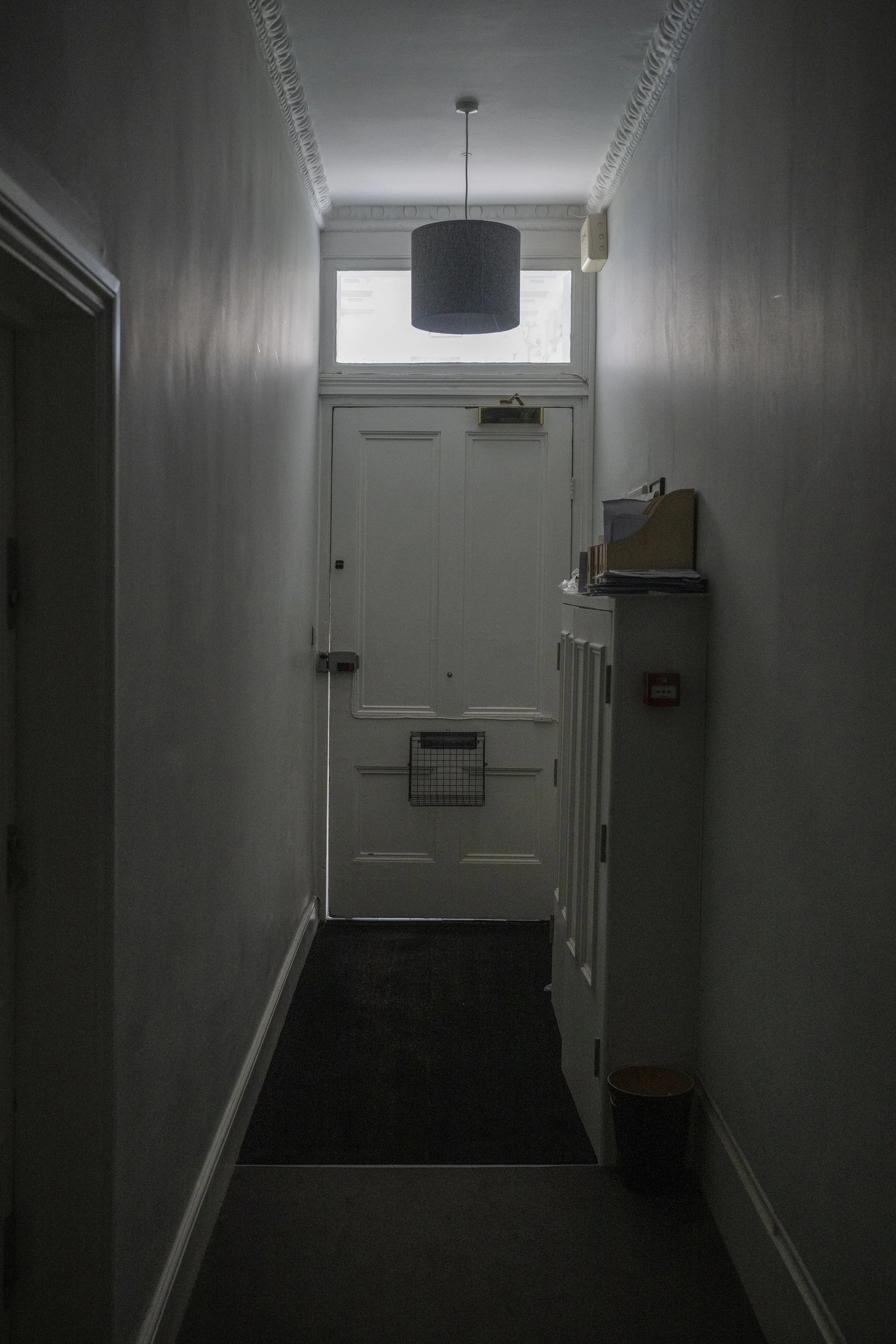
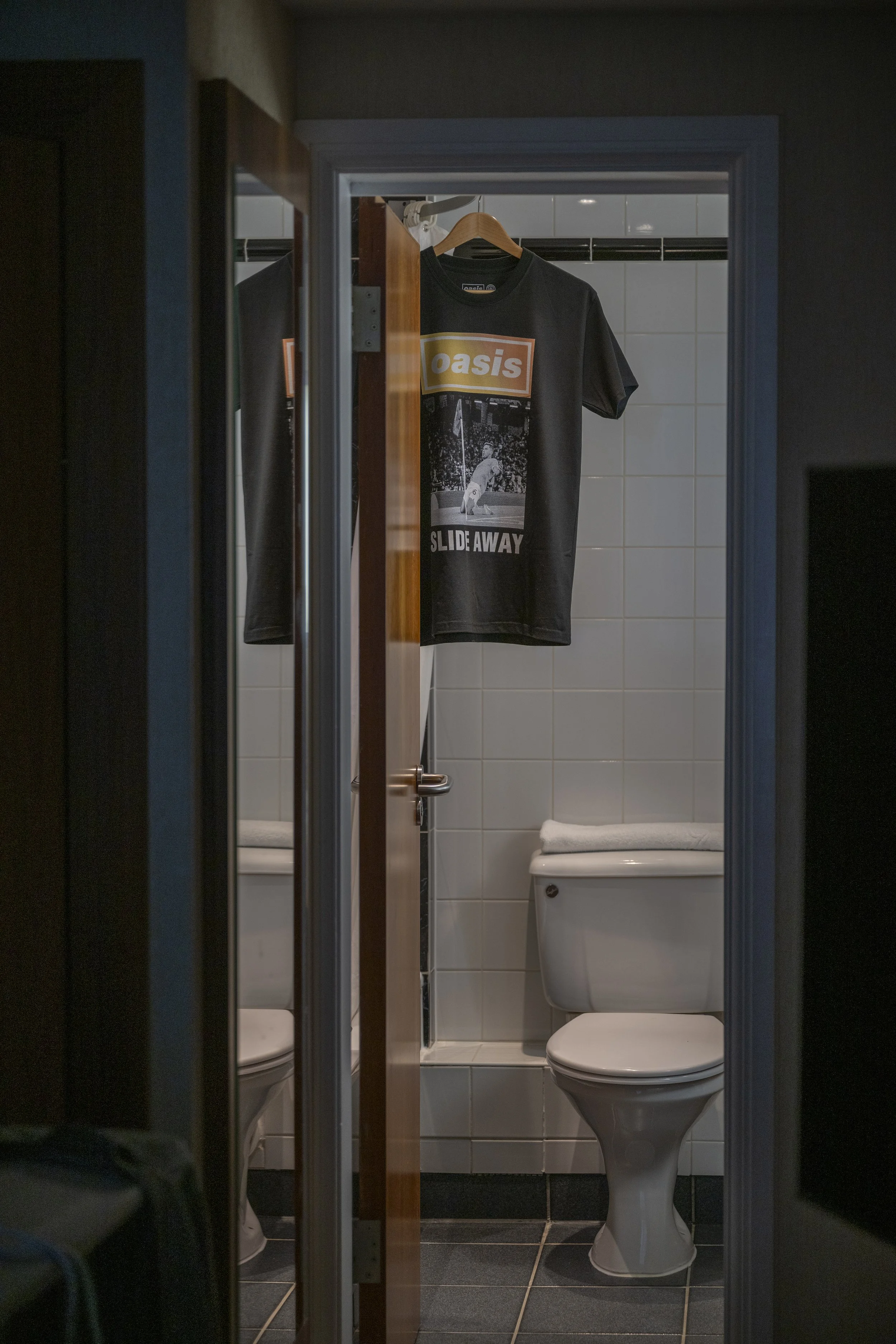
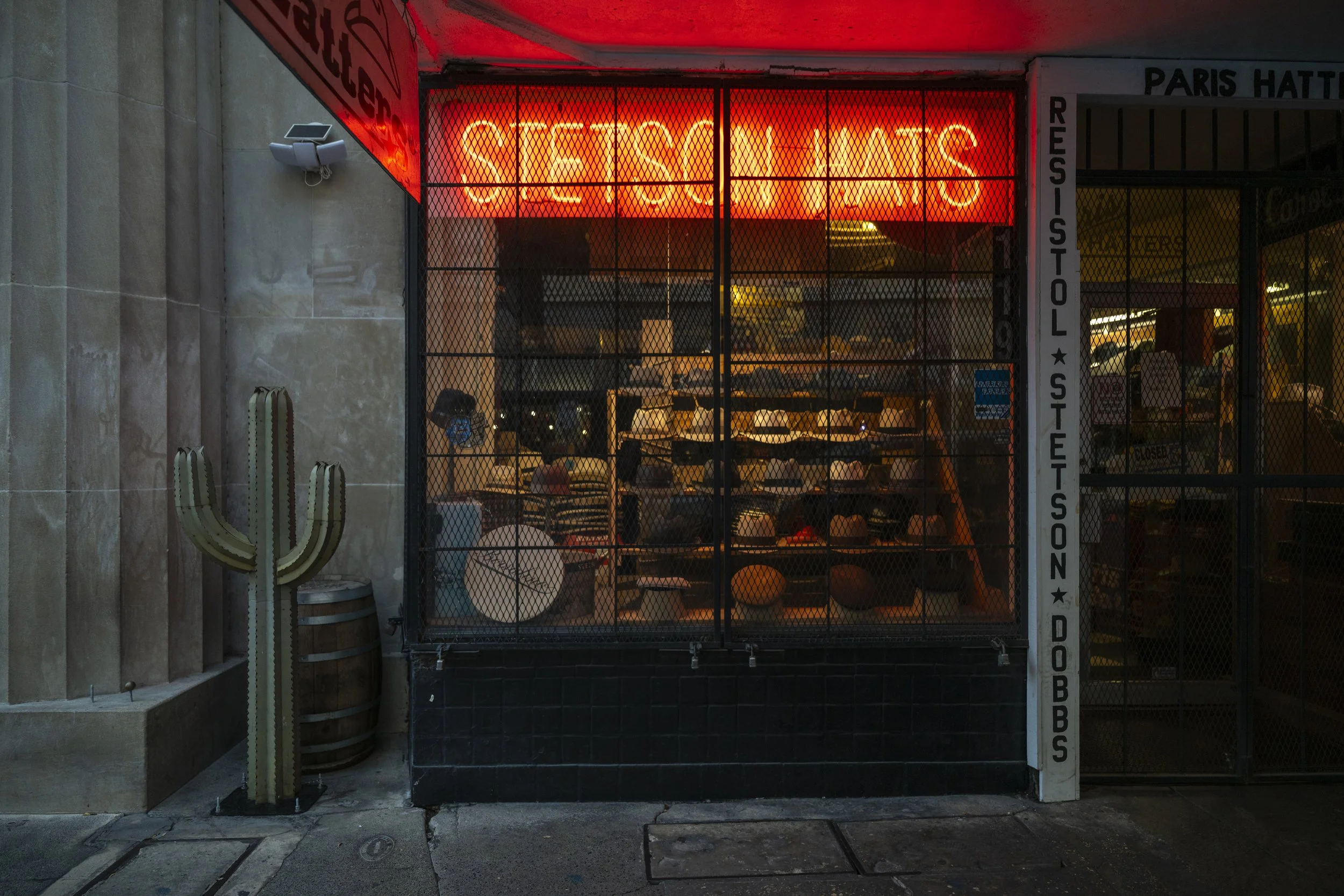
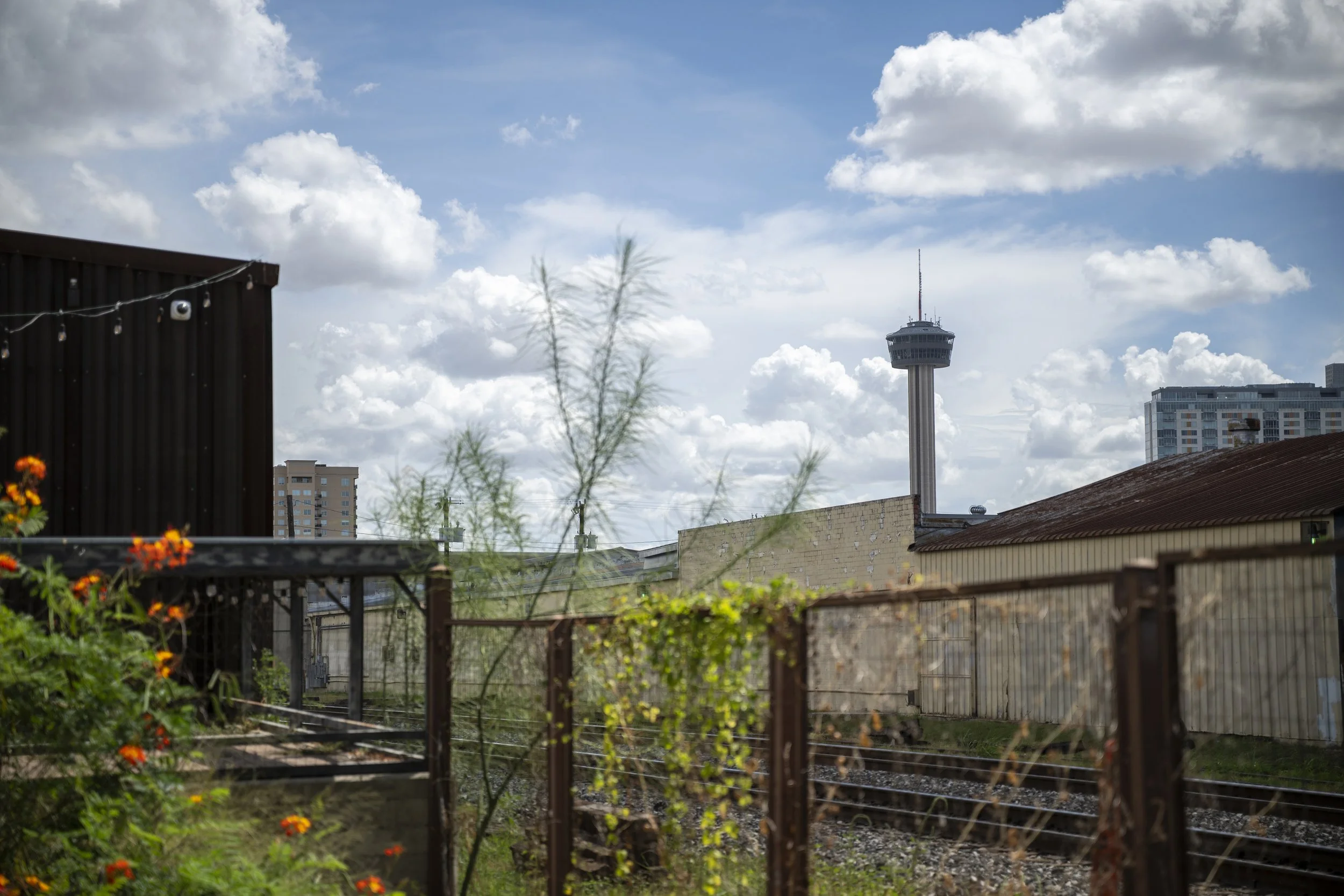
This triptych explores transitional spaces at three different scales — the personal, the public, and the structural. Each image reveals how thresholds shape human experience, holding tension between what is present and what is absent, between what moves and what waits, between what is built and what decays. Together, they form a narrative of the city as lived and felt in states of in-between.

Chapter 2: Lost in the World
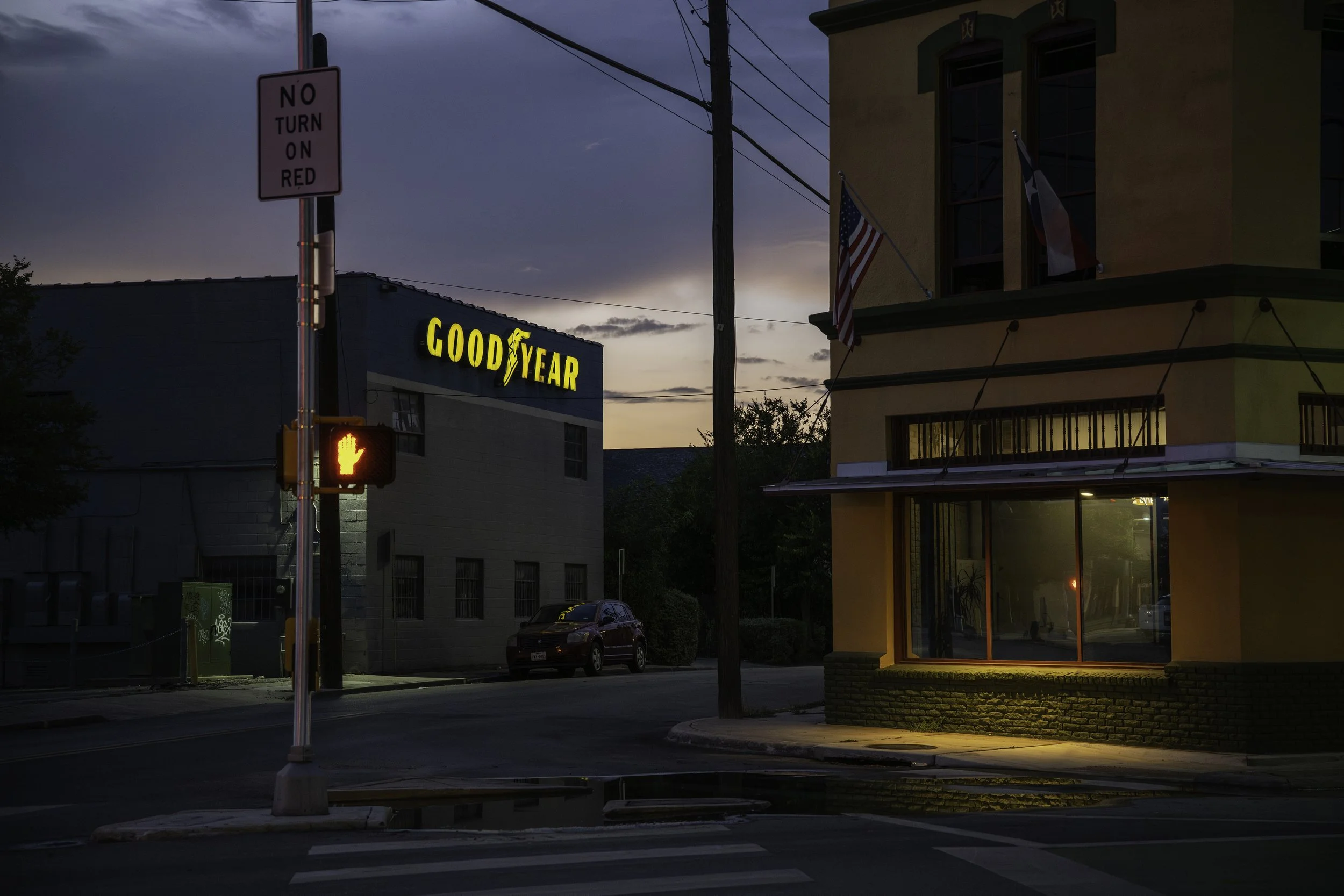
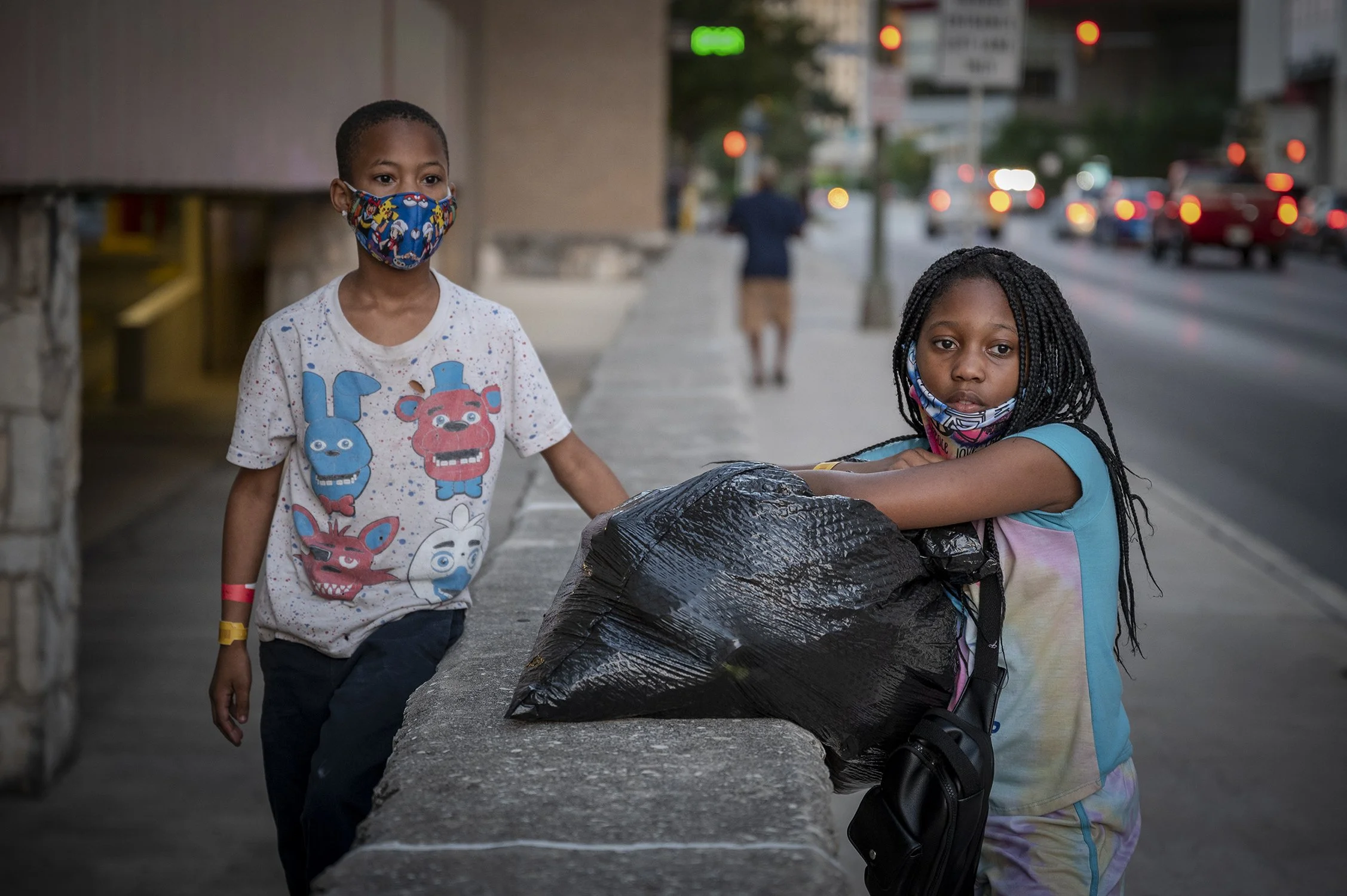
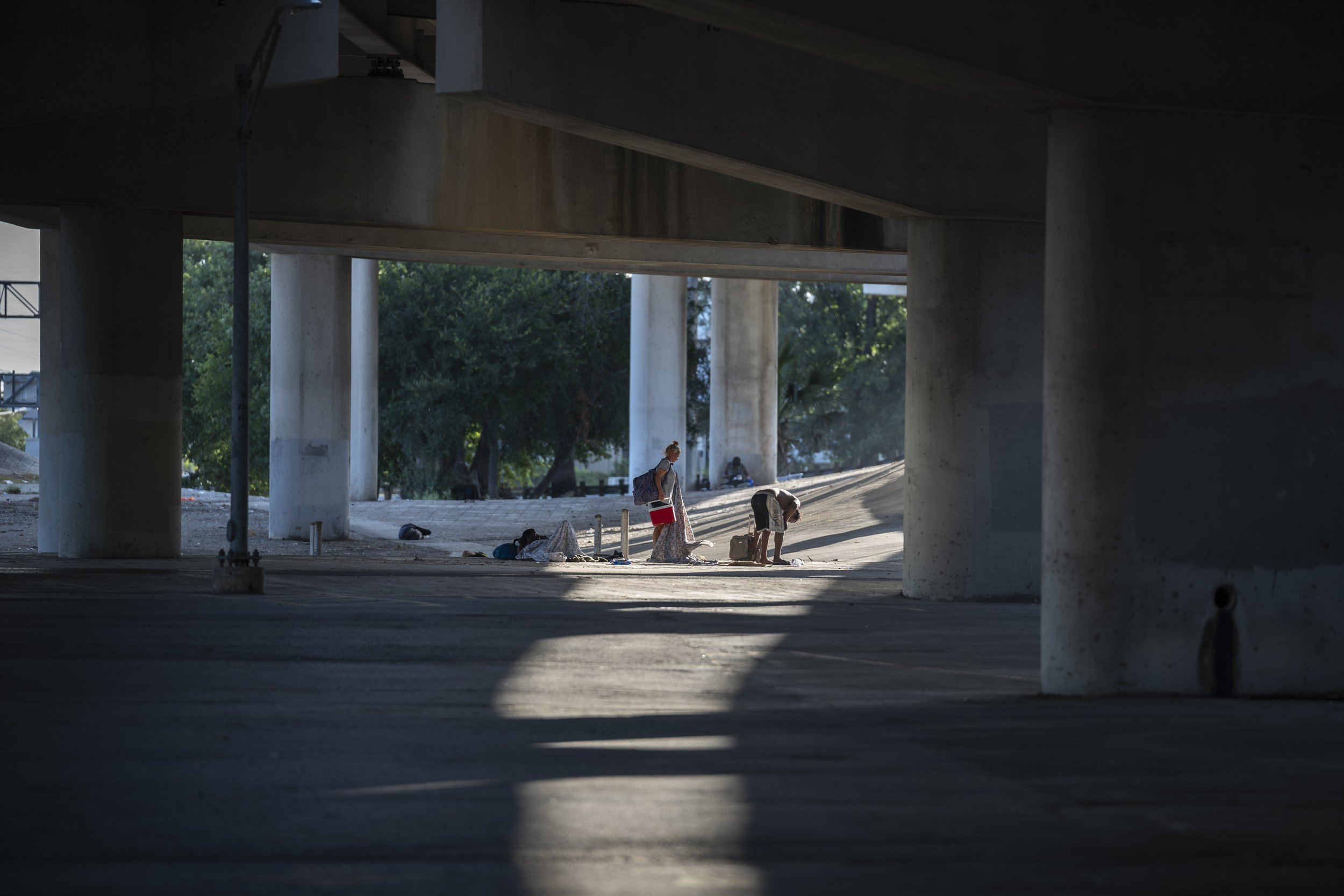
This chapter turns outward to the fragile intersections between people and the spaces they inhabit. Here, the city is no longer a backdrop but a force that shapes, confines, and overwhelms. Each image traces a different register of dislocation—moments when human presence feels precarious against the weight of the world around it.
Chapter 3: Eroded Perceptions
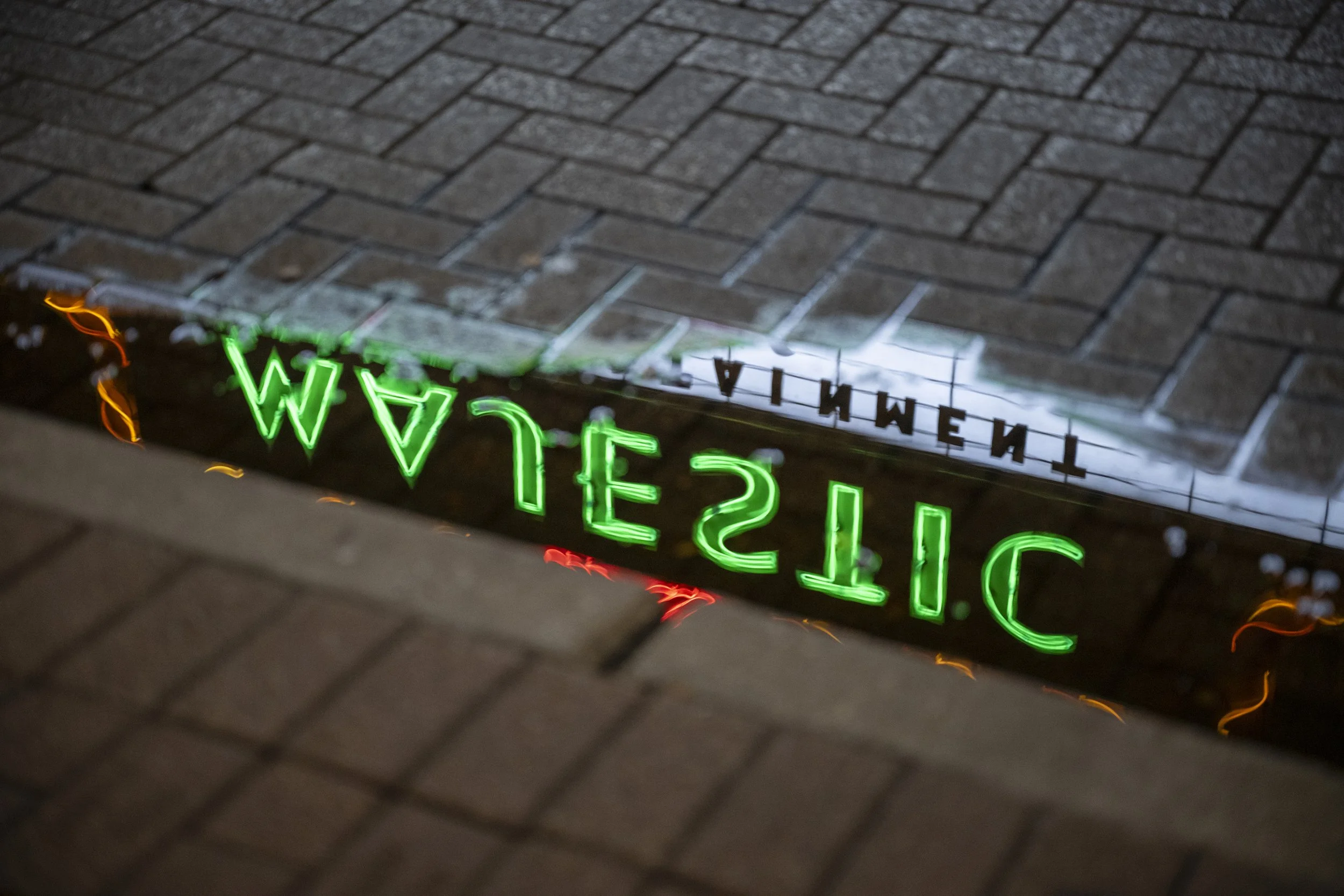
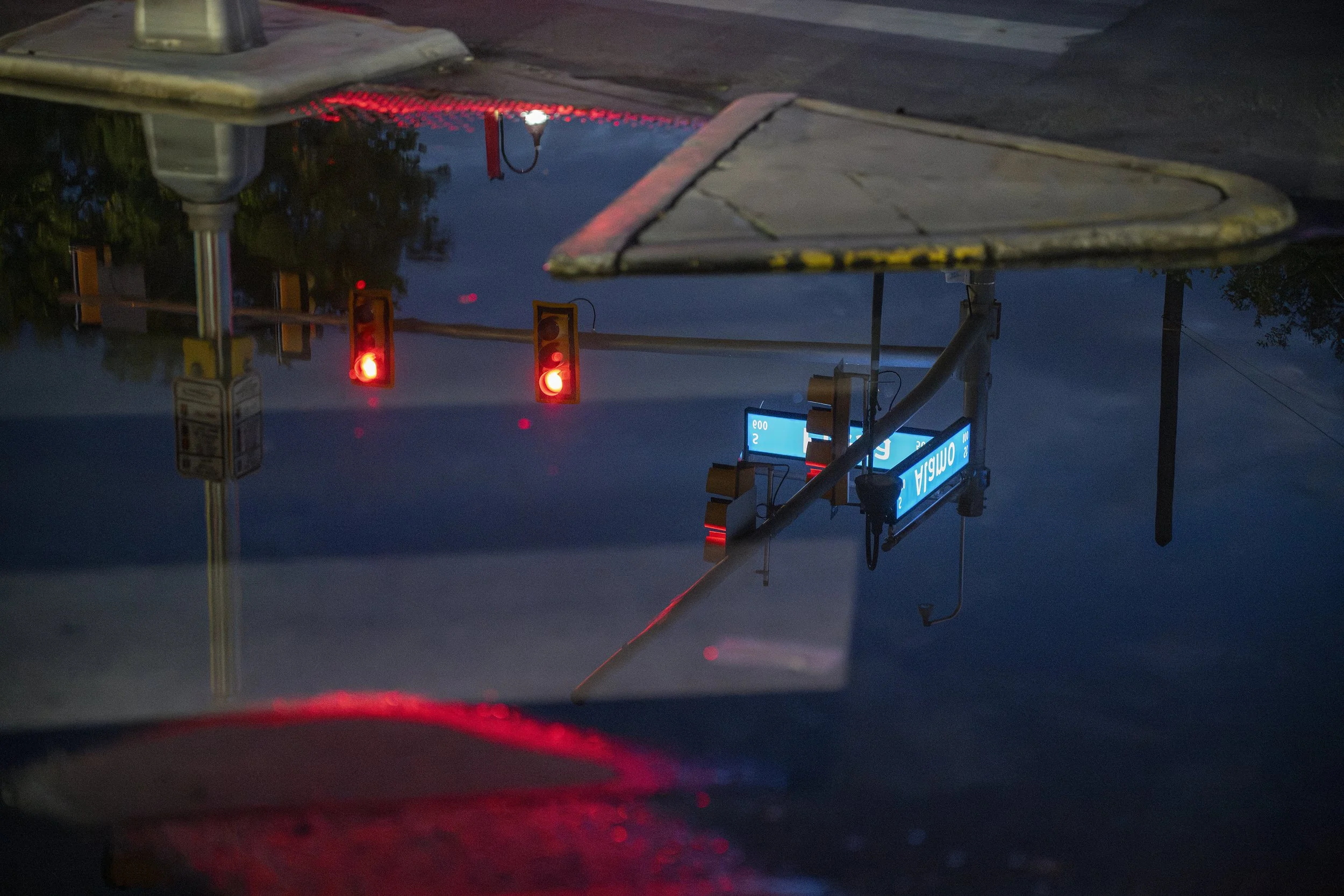
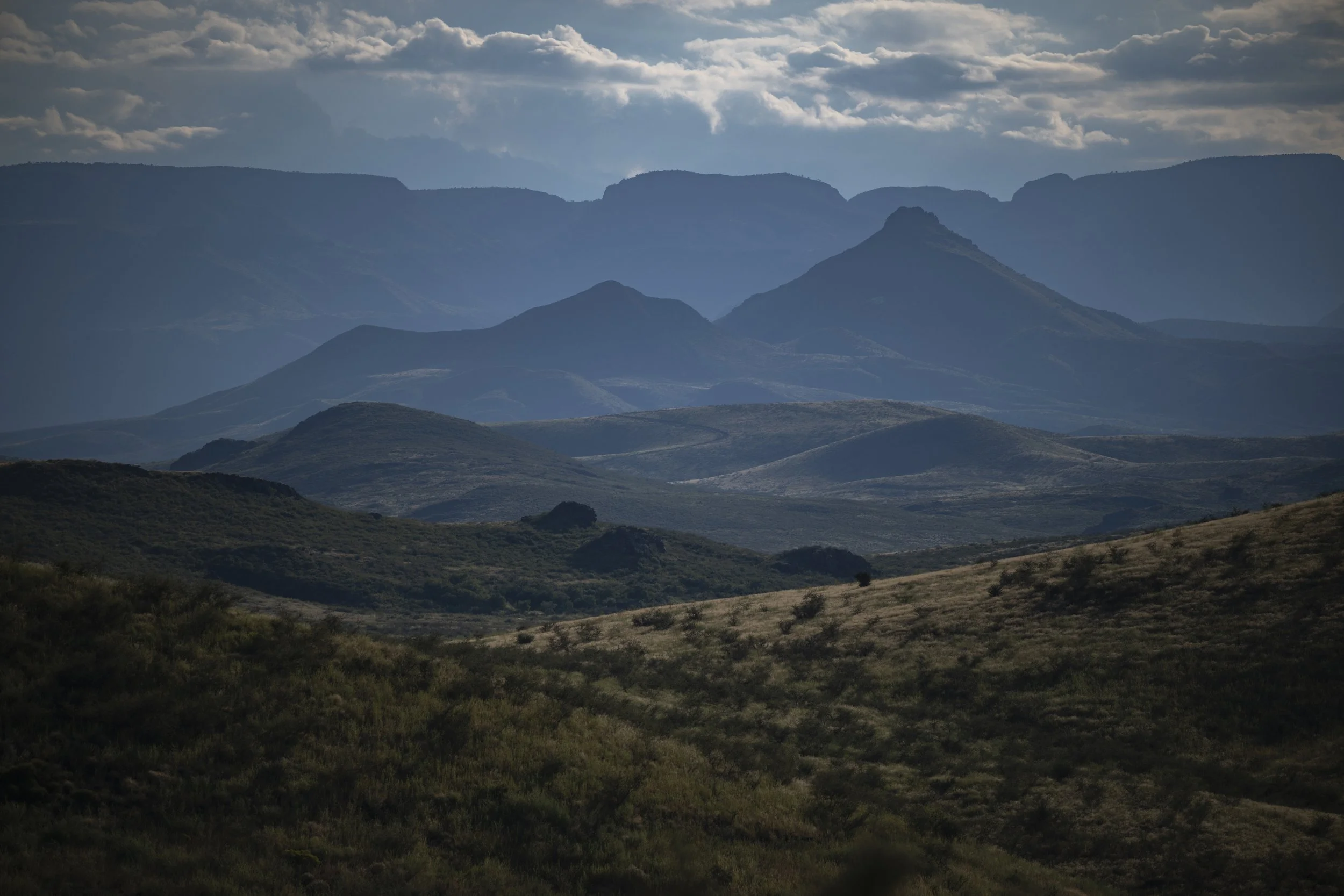
This chapter traces the thresholds of perception—the ways the world resists holding its form. Each image reveals a point where vision falters, where clarity slips, and where the stable world gives way to instability. Together, they form a meditation on what happens when seeing itself begins to erode.
Chapter 4: States of Waiting
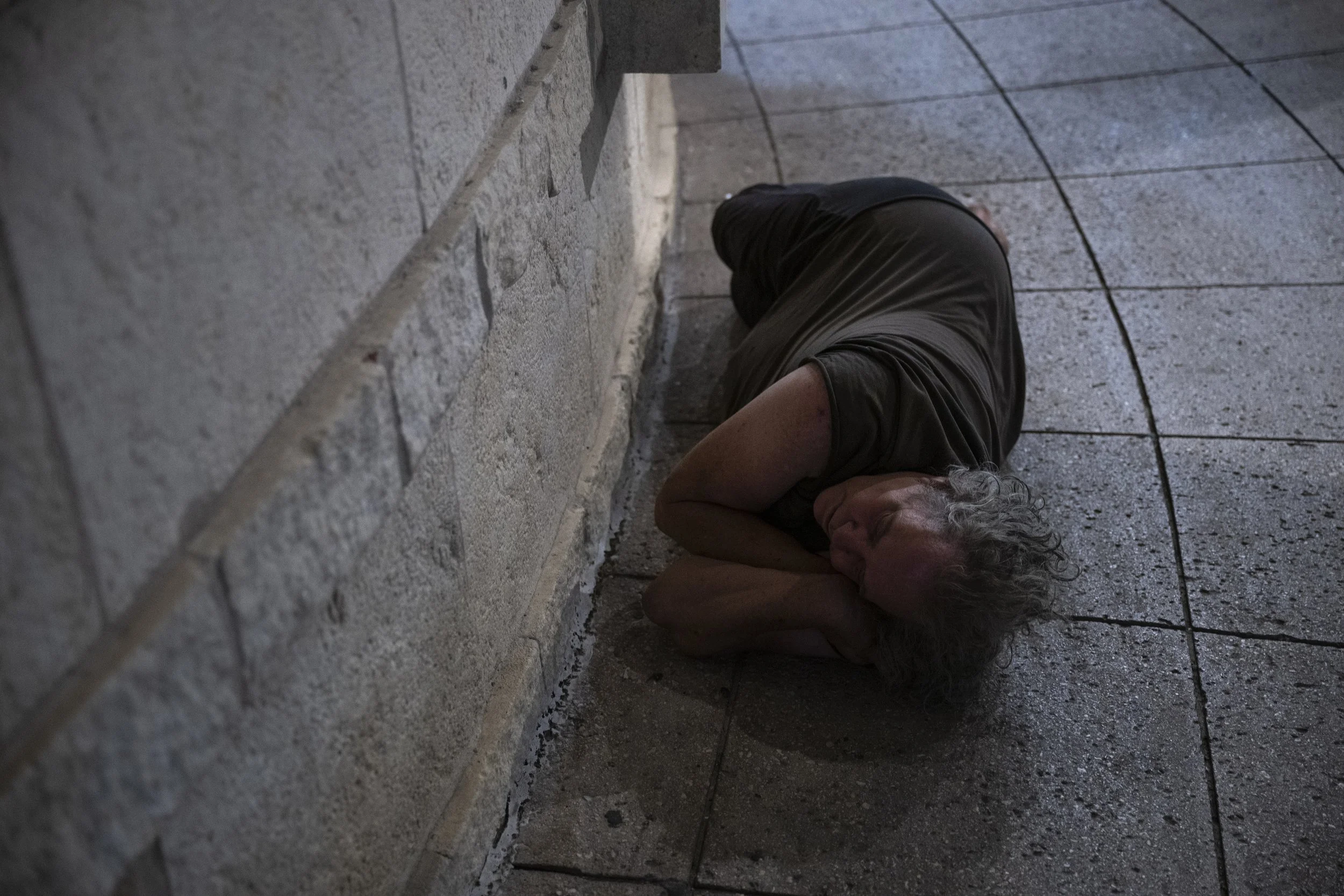
This chapter marks a return from dissolution to embodiment—from the abstraction of perception to the quiet endurance of daily life. Here, stillness is not absence, but tension held in place. The figures we encounter do not act; they linger, suspended in thresholds between communication and silence, safety and exposure, rest and displacement. Time stretches thin, and the ordinary becomes charged with unease. Each image probes how waiting—alone, unseen, or half-seen—can reveal the fragile architecture of human persistence.

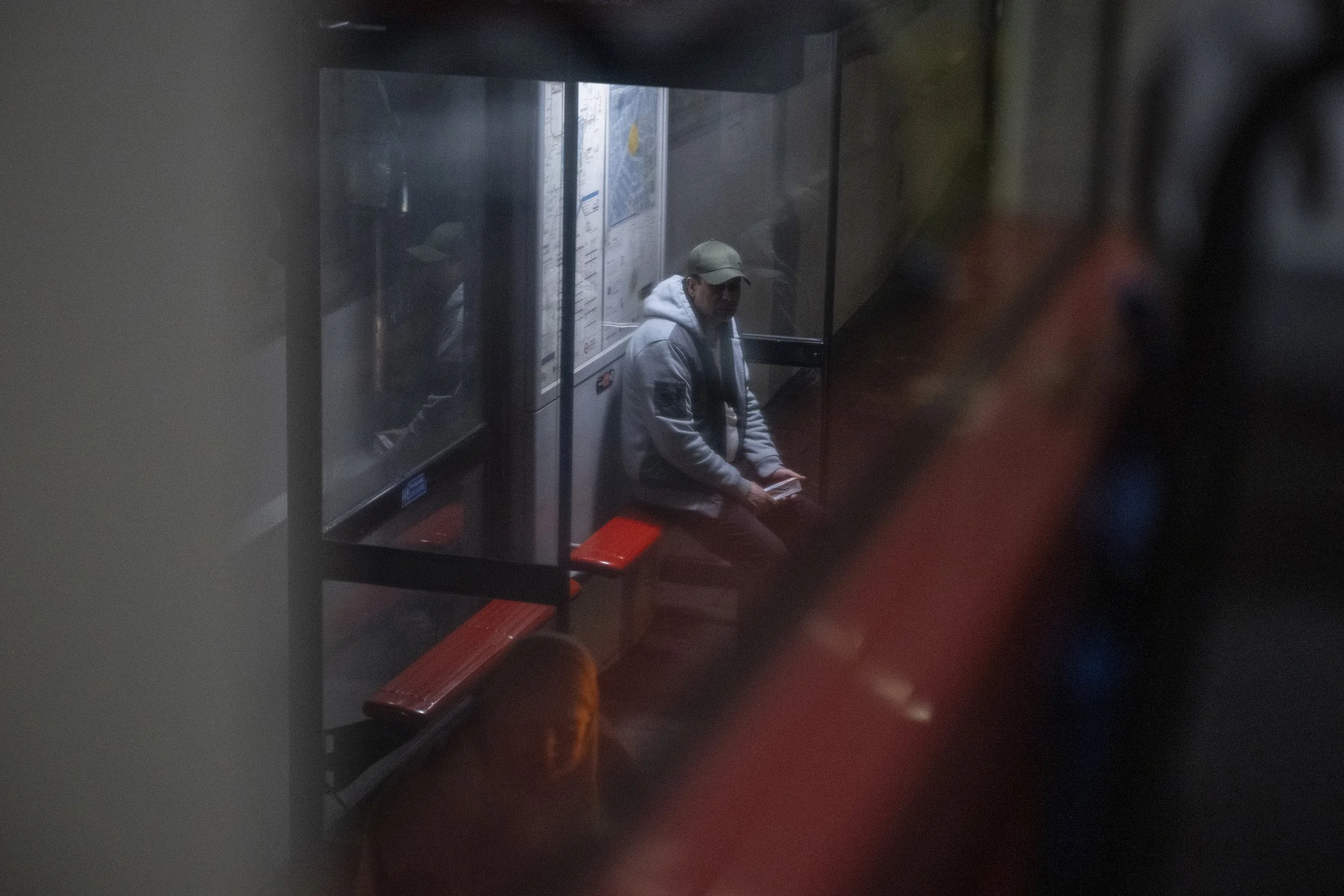
Chapter 5: Shelter Trap
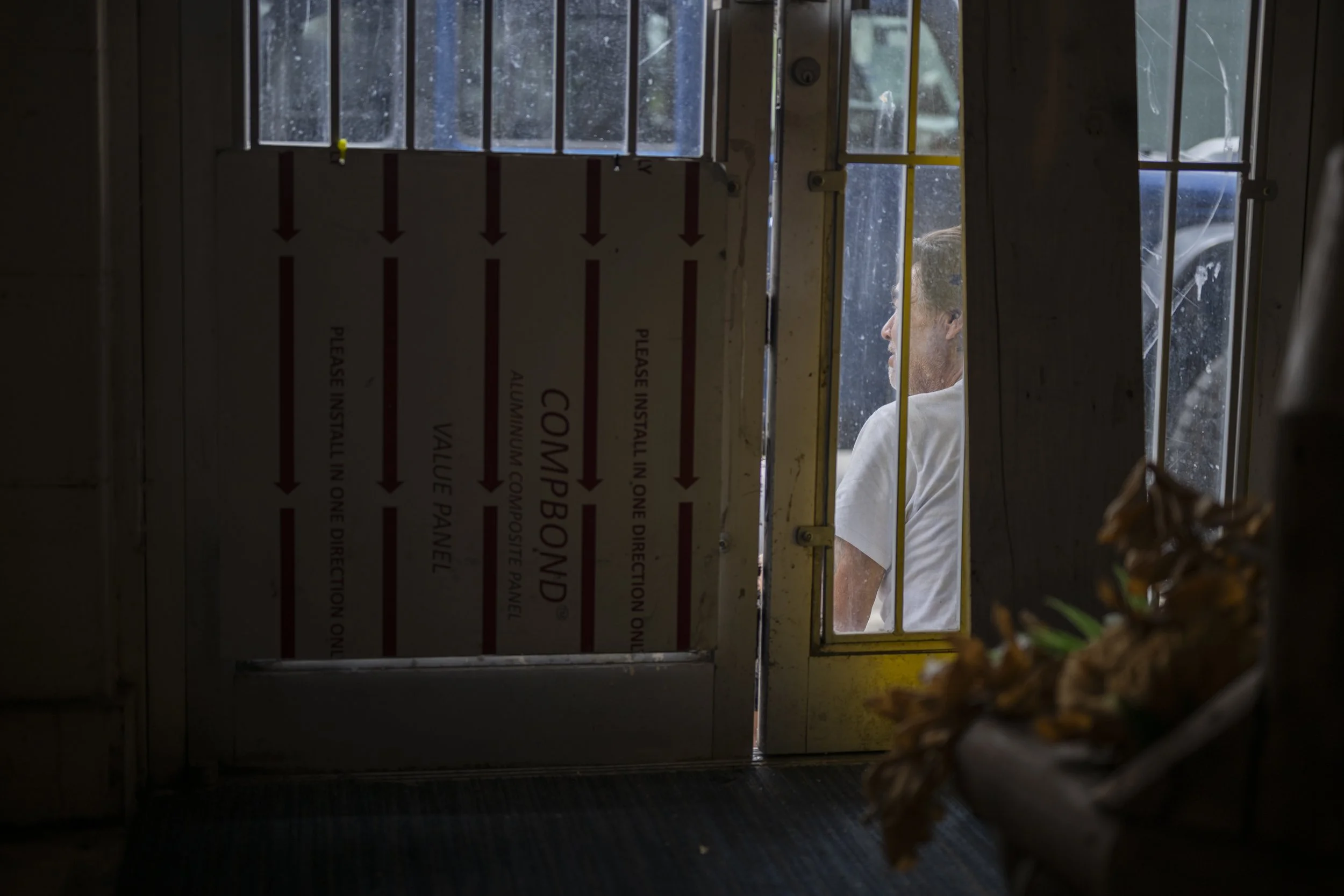
This chapter turns inward to domestic thresholds—hallways, doorways, panes of glass. Built for passage, they hold us still. However, as light spills in, it draws us to the outside world. Each image in this chapter registers as a quiet negotiation between enclosure and exposure.